From Idea to Patent: The Journey of American Inventions
AG
The Spark of Innovation
Every great invention begins with a spark of imagination. Whether it's a unique solution to a common problem or a groundbreaking technological advancement, the journey from idea to patent is a fascinating process filled with creativity and determination. For many American inventors, this journey is a pursuit of dreams, requiring dedication, research, and strategic planning.
The Importance of Research
Before an idea can transform into a patented invention, thorough research is essential. Inventors need to ensure that their idea is original and hasn't already been patented. The United States Patent and Trademark Office (USPTO) database is a valuable resource for conducting this initial investigation. This step is crucial, as it saves time and resources by preventing potential legal disputes.
Beyond patent searches, understanding the market landscape is equally important. Inventors must identify potential competitors, target audiences, and market needs to fine-tune their inventions. This research phase lays a strong foundation for the subsequent stages of development.
From Concept to Prototype
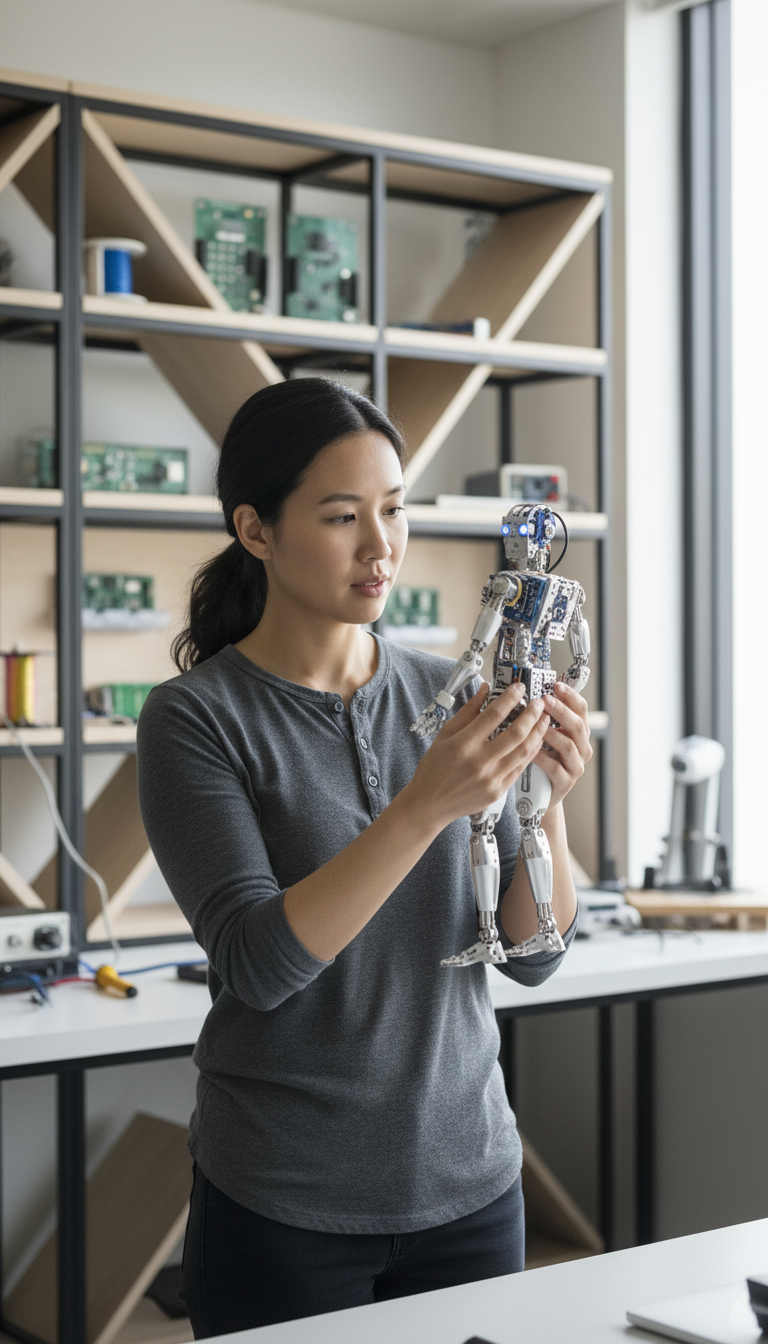
Turning an abstract idea into a tangible prototype is a critical step. Prototypes allow inventors to test functionality, identify design flaws, and make necessary adjustments. This stage often involves collaboration with engineers, designers, and sometimes even potential users to refine the concept further.
Prototyping also plays a significant role in demonstrating the viability of an invention to potential investors or partners. A well-crafted prototype can be the key to securing funding and support for moving forward with the patent process.

The Patent Application Process
Once a prototype is refined and ready, the next step is the formal patent application. This process involves preparing detailed documentation that clearly describes the invention, its functionality, and its uniqueness. It's often advisable to work with a patent attorney or agent to ensure the application meets all legal requirements and stands the best chance of approval.
The USPTO reviews patent applications meticulously, and it can take months or even years for approval. During this period, maintaining clear communication with the patent office and responding promptly to any requests or rejections is vital for a successful application.
Overcoming Challenges
The journey from idea to patent is not without its challenges. Inventors may face obstacles such as financial constraints, technical difficulties, or even personal doubts. Persistence and resilience are key traits for overcoming these hurdles. Many inventors find success by networking with other innovators, attending industry conferences, and seeking mentorship.
Impact and Legacy
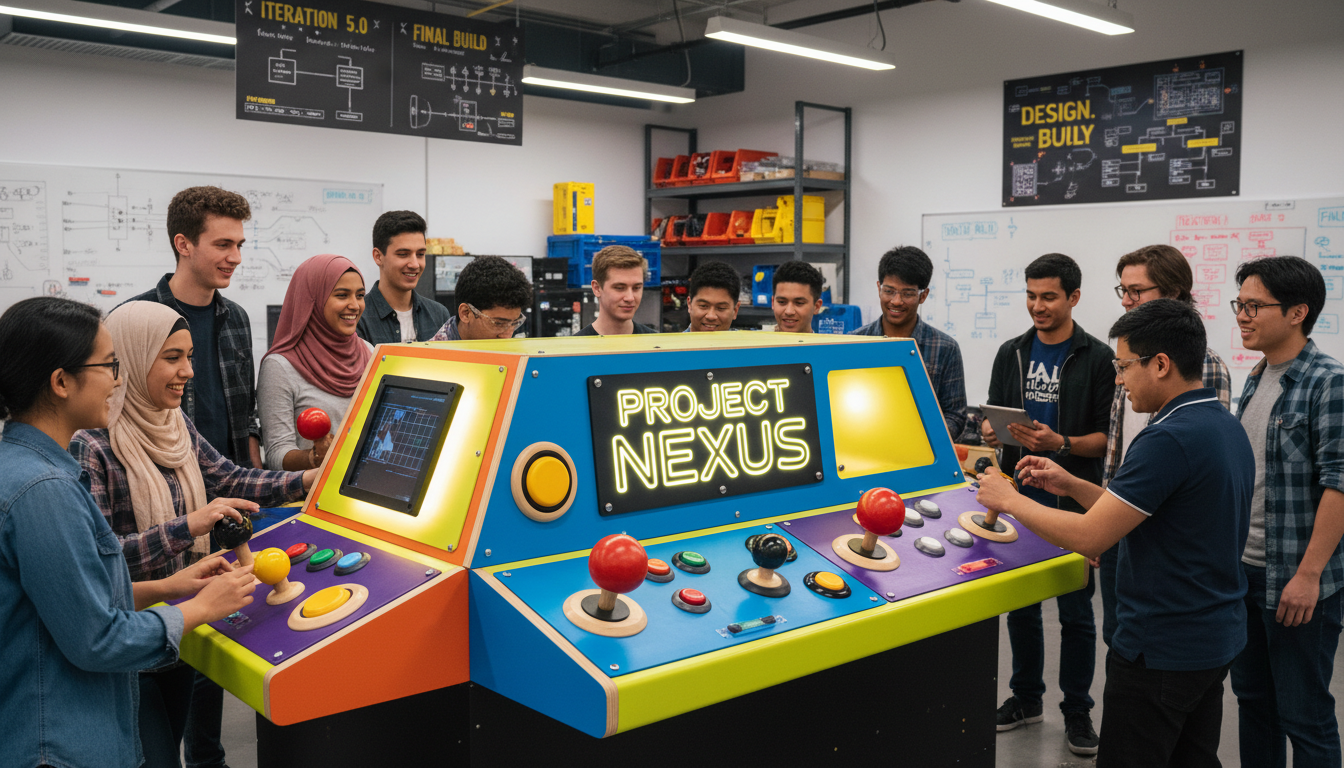
Securing a patent is an achievement that can have a lasting impact on both the inventor and society. Patents can open doors to commercial opportunities, partnerships, and further innovation. Moreover, they contribute to the rich tapestry of American ingenuity, inspiring future generations to pursue their inventive dreams.
In conclusion, the journey from idea to patent is a rewarding endeavor that underscores the spirit of innovation. By understanding the steps involved and embracing the challenges, inventors can transform their ideas into valuable contributions to the world.